channel ready scalable production prep board
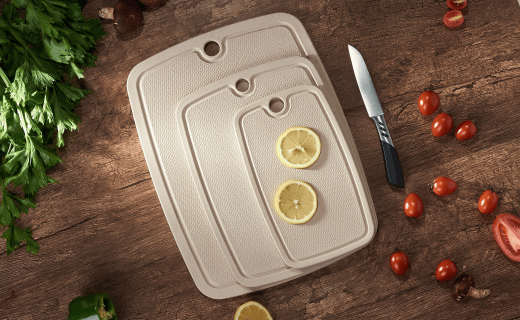 A kitchen chopping platform stands as a core kitchen tool throughout culinary areas. It grants a solid and safe area to ready ingredients, and choosing the proper board can transform your cooking workflow. With countless varieties present, deciding where to begin may seem daunting. No problem — this guide outlines the critical elements for selecting a suitable board.
 Begin with considering the construction materials. Typical selections are hardwoods, bamboo, polymers, and glass. Every material offers particular benefits and limitations. Timber chopping boards offer durability and natural antibacterial traits but need regular oil care. Bamboo supplies a sustainable, robust, and low-weight solution. Synthetic cutting boards are affordable and washable but may dull knives more rapidly. Glass cutting slabs are tough against scratches and dishwasher-safe yet fragile and weighty.
After that, weigh the size that meets your cooking needs. A tiny board works well for simple tasks like chopping herbs and garlic, but a larger surface supplies more area for slicing veggies or prepping dinner. Take into consideration the space on your countertop.
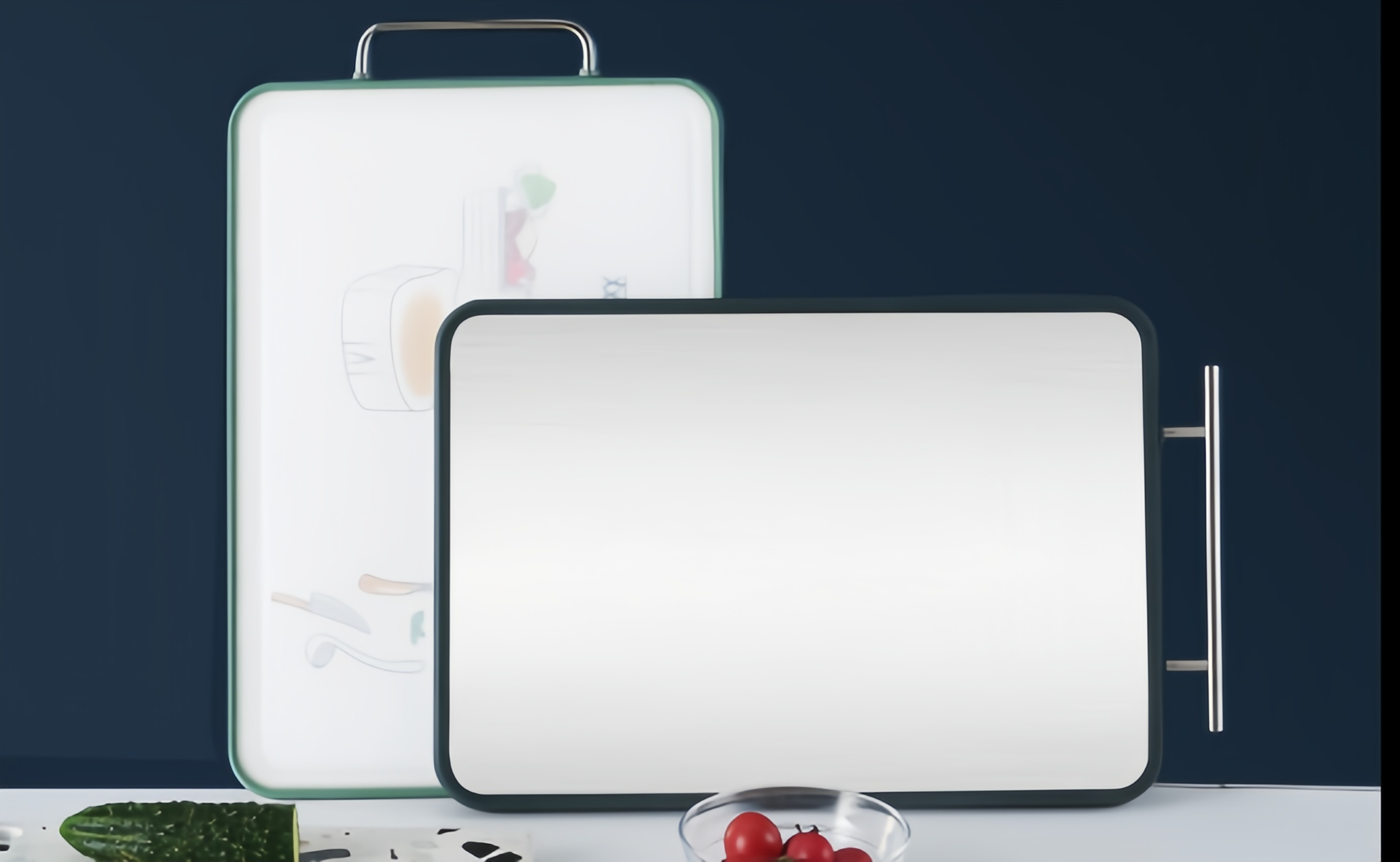
Lastly, keep design in mind. An attractive board injects character into your kitchen. Pick a board that complements your current decor and taste.
Plastic vs Wood vs Bamboo: Which Board Wins?
Picking a cutting surface leads to a continuing dispute about plastic, wood, and bamboo materials. Every material provides specific advantages, posing a tough choice for home culinary enthusiasts. Polymer boards are prized for sturdiness and easy sanitation; wooden boards provide rustic appeal and can be restored and refinished. Finally, the suitable choice ties to how often and what you cook.
Account for usage regularity, cutting task type, and personal preference in your decision.
- Plastic cutting surfaces usually offer lower weight and price than wood counterparts
- Solid wood boards tend to be more visually pleasing and longer-lasting with maintenance
- Silicone prep mats are flexible and stain-resistant but may not match plastic or wood in durability
Top 5 Cutting Boards for Kitchen Champions
If you’re a kitchen master, you understand a top board is necessary. It operates as your culinary hub handling vegetable and meat prep alike. Still, with numerous options, deciding which to choose can be confusing. No worries, fellow gourmets — we’ve researched and picked five boards to up your culinary craft.
- First choice featured is...
- Coming in second is...
- A further pick is...
- Give thought to is...
- Closing selection is...
Maintaining Cutting Board Cleanliness: Guidelines
A chopping board is important and must be looked after properly to provide safety and longevity. Frequent washing helps limit harmful bacterial spread.
Follow these helpful tips to maintain optimal board condition:
- Wash the cutting surface with hot, soapy water after each use.
- Disinfect the surface by spraying a diluted bleach solution or using a food-safe sanitizer.
- Air-dry the board completely before putting it away.
- Store in a dry, well-aired location to avoid moisture accumulation.
Sharpening Techniques for Knives on Cutting Boards
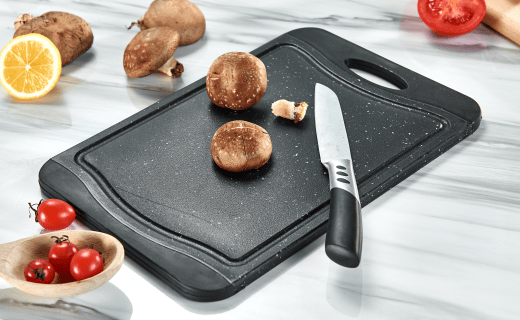
On a cutting board, achieving a razor-sharp edge involves more than just random swipes. It’s a systematic combination of force control and angle consistency. Start with aligning the sharpening tool at a regular degree against the knife edge. Follow through by tracing the blade with the sharpener while maintaining the consistent angle. Bear in mind it’s precision over force—smooth and controlled motions win. As you sharpen, you'll feel a noticeable change in the blade's texture—it will become smoother and less prone to catching. Test different approaches until you find the one that fits your knife and sharpening device. Once honed, the razor edge makes cutting effortless and improves your cooking experience.
Creating Boards for Culinary Mastery
We highlight Boardcraft Essentials, a prominent producer devoted to crafting excellent cutting boards. With deep experience, they transform raw wood into functional, stylish cutting boards. Their emphasis on quality is obvious in selecting sustainable wood and precise construction methods.
Each chopping board represents a unique artwork featuring the wood’s natural grain. They carry diverse styles and sizes suitable for any need, from small prep surfaces to expansive butcher blocks.
- In addition, Artisan Block Co. provides add-ons like refined knife blocks and nourishing oils to protect your investment.
- Whether you are seeking a high-quality cutting board that will become a cherished part of your kitchen, look no further than Artisan Block Co..
Durable & Stylish: Modern Cutting Board Designs
Enhance aesthetic appeal and function via modern board designs. Gone are the days of plain, bulky boards; today's offerings boast innovative materials and shapes that seamlessly blend into any culinary space. Crafted from durable woods like walnut or maple, these boards withstand the rigors of everyday use while adding a touch of sophistication to your countertops. From rectangular standards to creative geometric shapes, boards match any personal taste.
Kitchen Cutting Board Manufacturer- Choose from a variety of finishes to complement your kitchen decor.
- Think about boards that include juice grooves for simpler cleaning.
- Purchase a premium board that offers longevity for years.
Eco-Conscious Selections: Green Cutting Boards
When deciding on a cutting surface, think about its environmental impact. Eco-friendly cutting boards are crafted from sustainable materials like bamboo, wood from responsibly harvested forests, or recycled plastic. These options shrink your ecological footprint and back the earth’s longevity.
- Opt for bamboo, a rapidly renewable and resilient material.
- Go with timber procured from responsibly managed forests.
- Consider boards constructed from recycled polymers to renew discarded materials.
Defeat Stains: Picking the Ideal Board Material
The board material is fundamental in deciding the right cutting board. A long-wearing, stain-resistant board cuts down on cleaning hassles. Timber boards present a rustic appeal but can retain odors and staining. Bamboo offers a good balance—it's sturdy and naturally antimicrobial. Plastic chopping panels are cheap yet scratch-prone. Glass surfaces look modern but risk chipping and cracking. Pick a board that fits your cooking routine and design tastes.
Prevent Cutting Board Mishaps: Helpful Tips
Keeping your board in good repair is vital for safe food handling. Be sure to sanitize cutting surfaces both before and after use. Use dedicated boards for raw proteins to avoid cross-contamination. Don’t cut at the rim of the board as it may damage the surface and trap bacteria. If major cuts or fractures form, replace the board promptly.
- Always slice on a secure surface.
- Ensure blades remain sharp to cut down on slipping.
- Scrub hands well with soap and water after handling uncooked food.
Upgrade Kitchen Craft with a Premium Board
A quality cutting board is more than a simple veggie-slicing platform. It’s an investment that refines your cooking workflow. Constructed from robust and attractive hardwoods or bamboo, these boards offer longevity. Smooth boards create a firm base for precise slicing as their aesthetics enrich kitchen decor.
- A premium surface enhances precision in your cutting tasks.
- Shield your counters against scratches and harm.
- Exhibit your culinary ability using a handsome, functional board.